

CSA’s Article of the Month
Before we get to today’s article, we want to highlight General George’s spotlit articles for November! Please see the CSA’s picks of the month below:
Compliance vs Commitment: Our Appearance as a Promise of Trust
By: MAJ Sam Balch
The author argues that appearance does not replace competence. It is not a substitute for character. But it is often the first signal of whether trust can take root.
Whose Job Is It Anyway? Understanding and Applying All Learning Domains
By: CSM Alexander Kupratty
This Army University Press article focusses on the idea that the Army must implement actionable steps that reinforce the interconnectedness of institutional PME and learning in the operational and self-development domains.
Steel and Silicon: The Case for Teaming Armored Formations with UAVs
By MAJ Charlie Phelps
This article argues armor remains the cornerstone of decisive land combat, and armored formations with integrated UAVs will be best positioned to win in future combat.
How to Take Command of the “Commander’s Intelligence Program”
By LTG (R) Robert Ashley Jr. and Dr. Thomas Spahr
These authors assert it is the commander’s responsibility to lead the management and integration of intelligence into operations. They also argue intelligence processes yield a complex environment with many players and commanders need to own their programs.
Now back to today’s regularly schedule programming. Happy Reading!
-Sarah
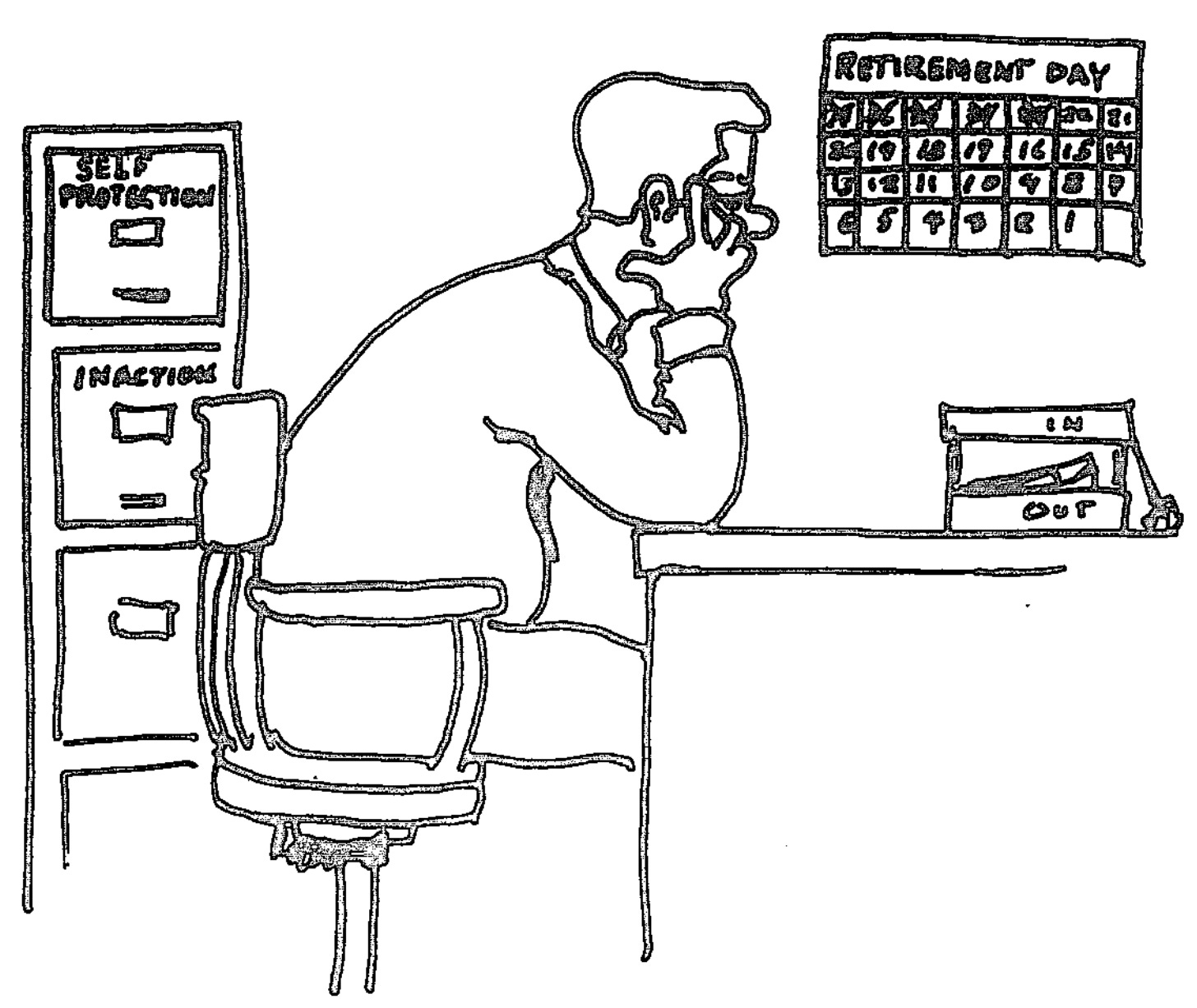
The other day I attended a retirement for my friend Shawn. He’d served 27 years, rising from private to command sergeant major. But this made me wonder, what did the Army’s journals say about retirement?
Less than you’d think. I looked through nine Military Review articles. They’re smart about policy and silent about people.
Retirement, a policy problem
Across the nine Military Review pieces I read, retirement is a knob on the Army’s manpower machine. Should we push the career length from twenty years to thirty? Will that unclog the promotion pyramid or jam it tighter? The writers argue with actuarial precision, calculating pension multipliers and budget outlays. Even when some pieces focus on why people leave, the fixes are managerial: sabbaticals, assignment tweaks, or pipelines into civil service roles.
These articles reduce people to resources as the latent labor pool for civil defense or government agencies. No one describes hanging up the uniform after twenty or thirty years, or standing in a final formation, or that last time at a rifle range.
People Retire
Lived experience is missing from these back issues. I haven’t lived that transition, but I suspect it’s more change than loss. The phone still rings. The group chat still pings, just less. It’s not that anyone forgets you; you’re simply no longer running the same race.
Perhaps that’s why few write about it. By the time people retire, they’ve earned the right to focus forward—to spend time with family, to build something new, to stop explaining themselves in acronyms. Their silence is understandable, even hopeful. And many still contribute: retirees review books, mentor writers, and send thoughtful letters that bridge generations. If our journals found room for these transitions, they might help soldiers imagine what a good ending looks like.
Shawn’s Ceremony
Watching Shawn’s ceremony, I realized the Army might be silent on retirement, but soldiers aren’t. Family and friends crowded around as artifacts of a career well served surrounded us. One officer stood to speak and he shared the two rules Shawn gave every new teammate:
“This Army thing isn’t that hard—just give a shit.”
“Always ask, ‘What do you think?’”
That was Shawn, distilled down. But these stories don’t have to end at retirement. If you’ve hung up the uniform or found your next purpose, I hope you’ll write about it. Tell us what surprised you, what you miss, and what you’ve gained. The Army’s journals have space for those voices; we just haven’t heard enough of them.